Home / Products / Clay Tiles
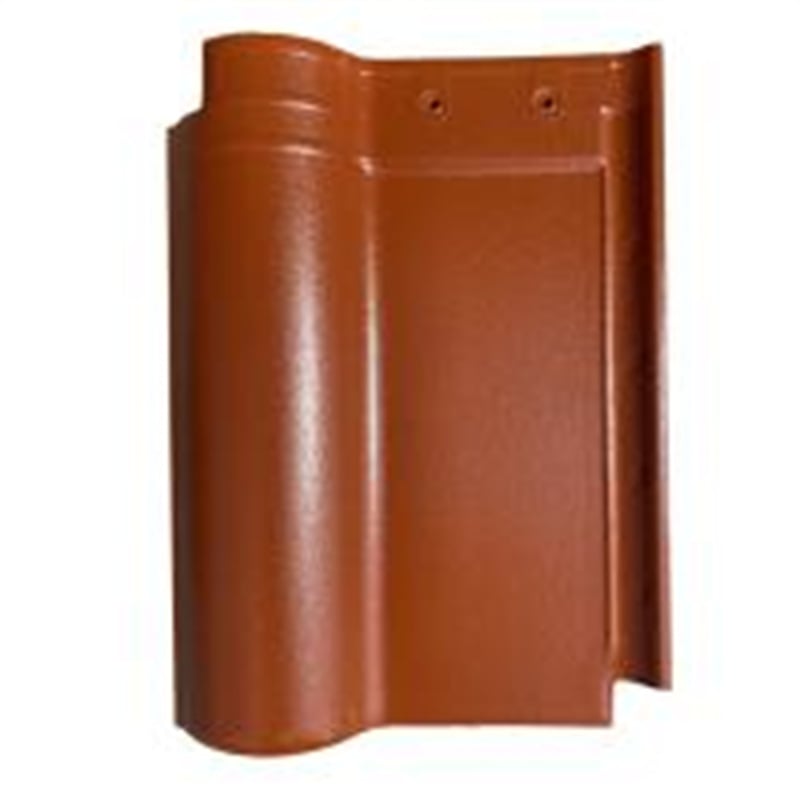
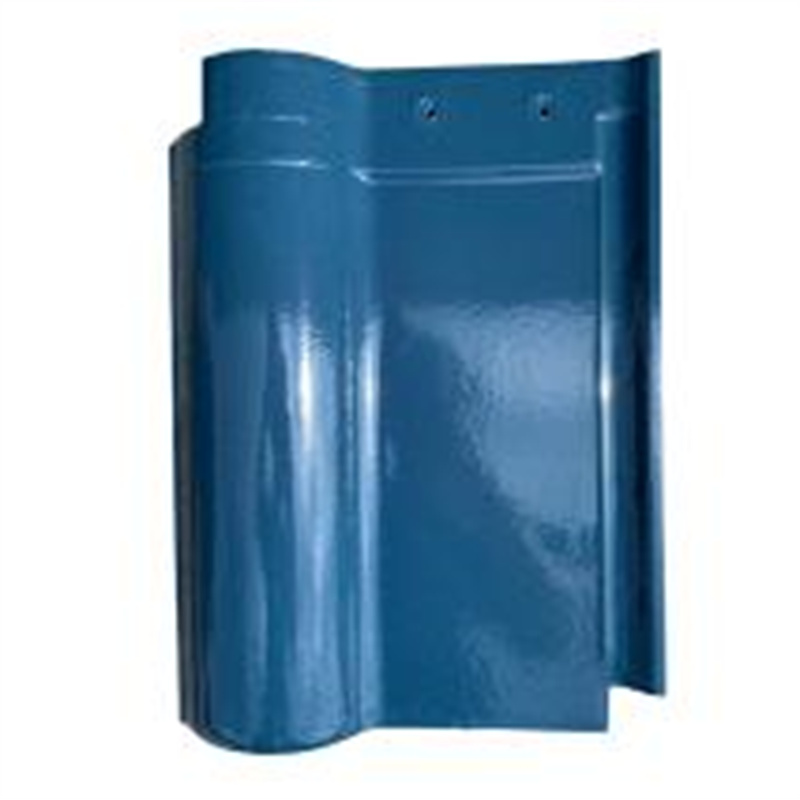
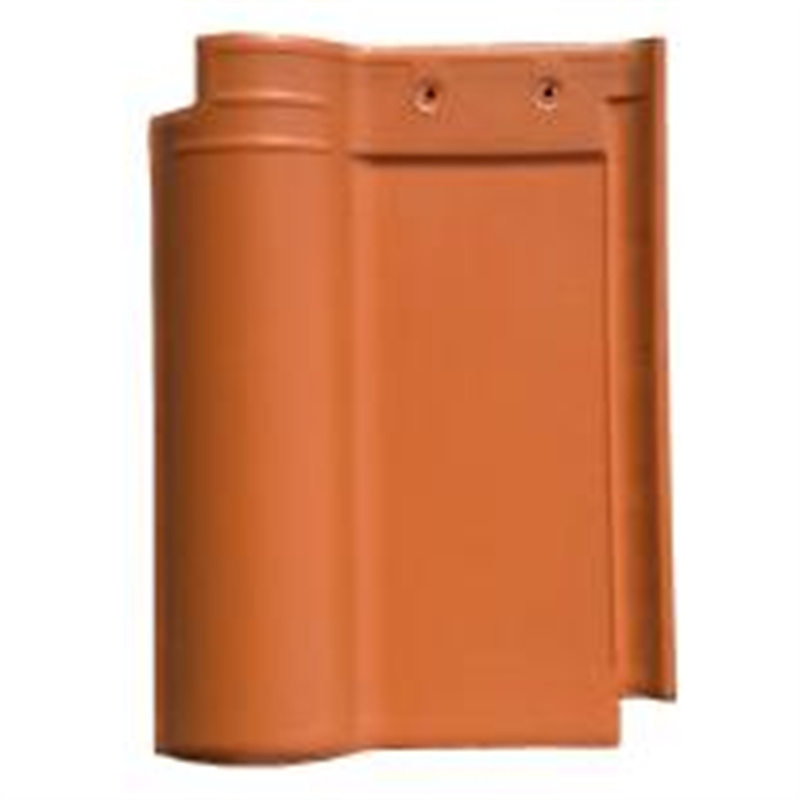
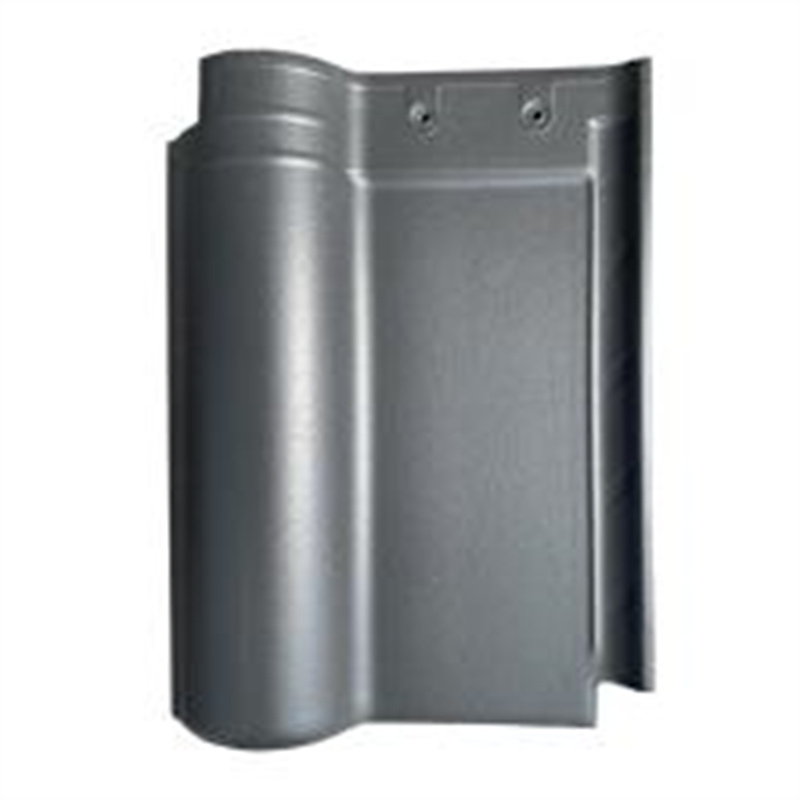
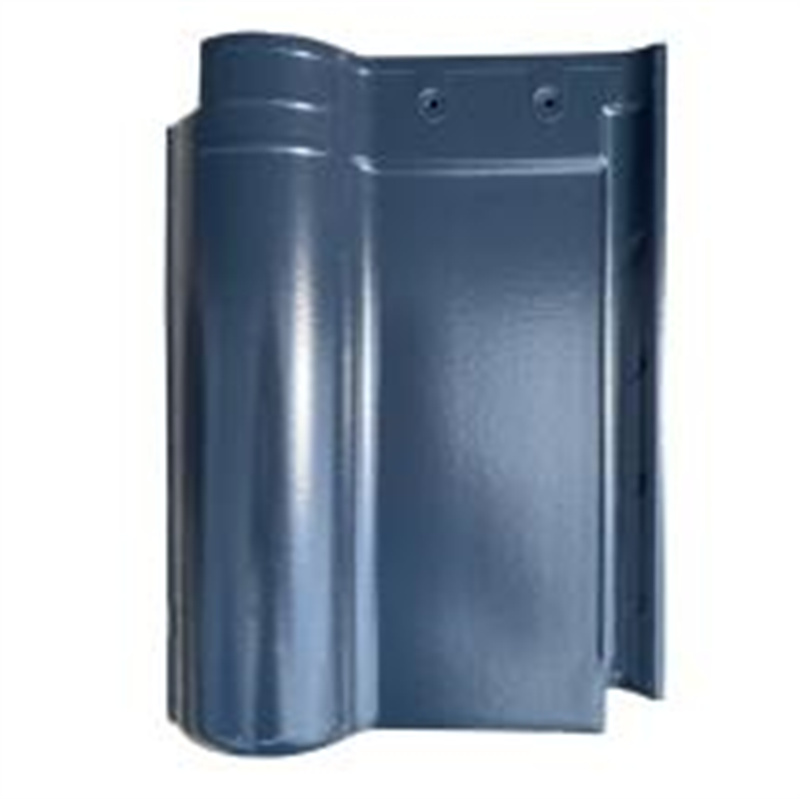
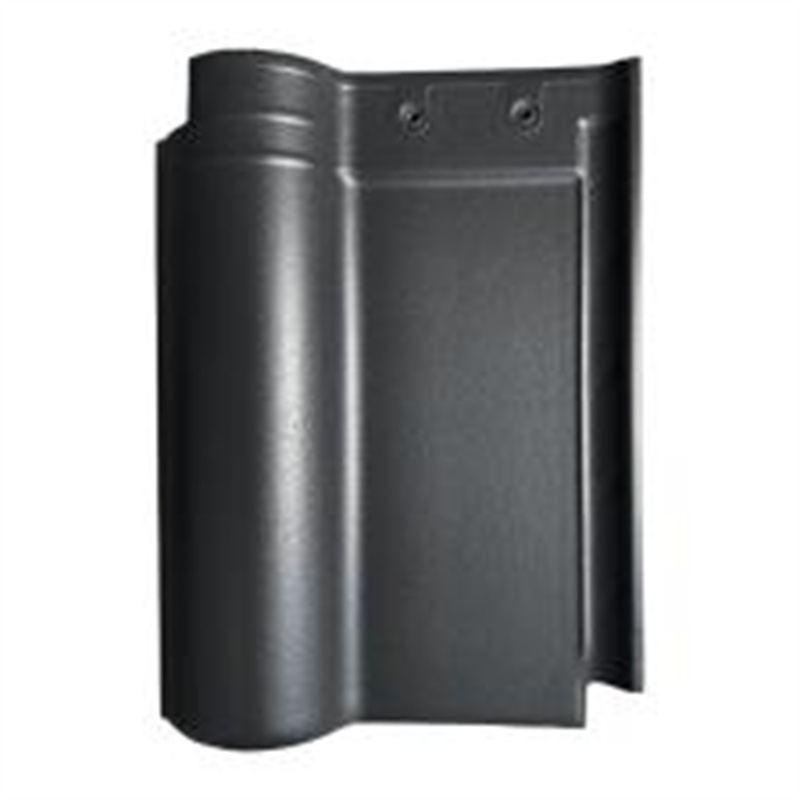
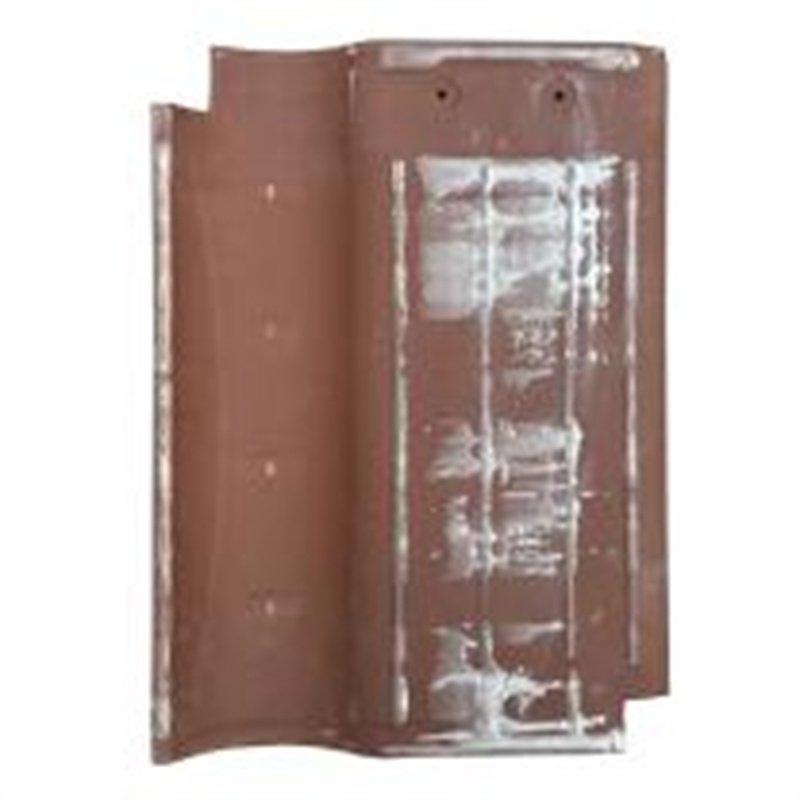
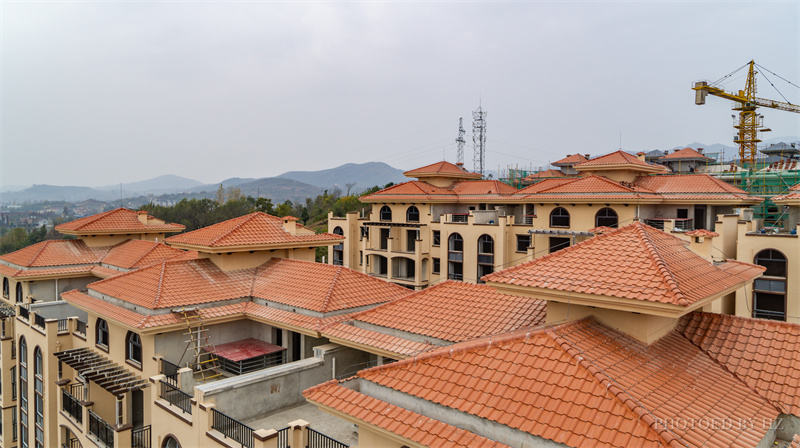
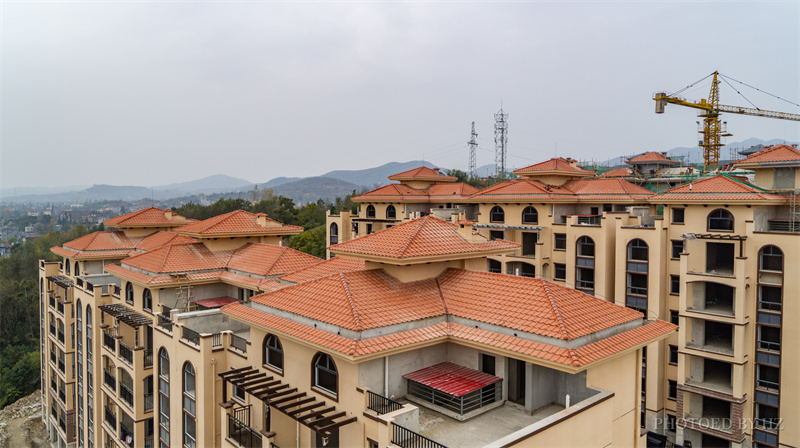
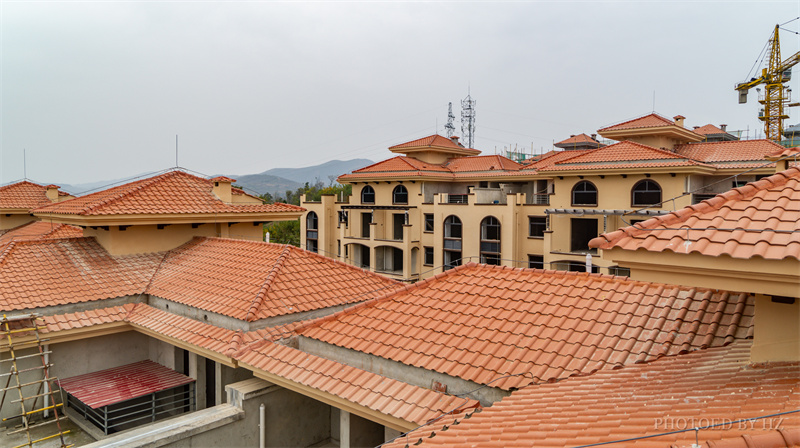
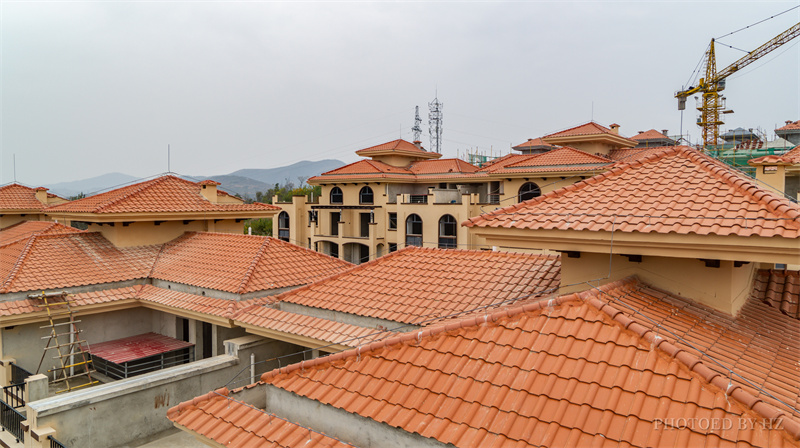
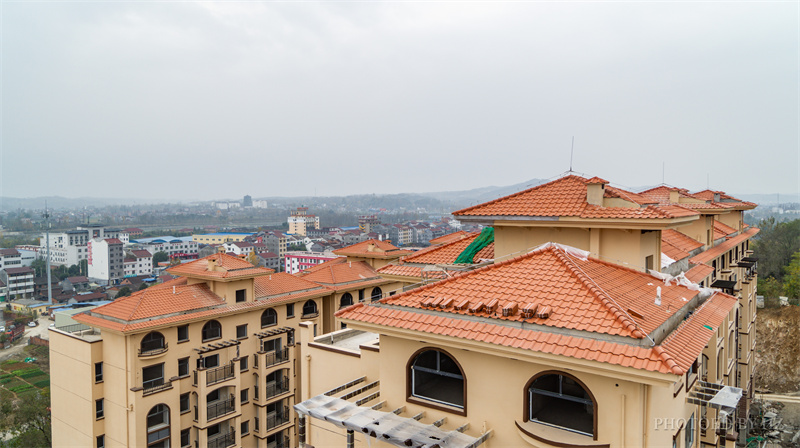
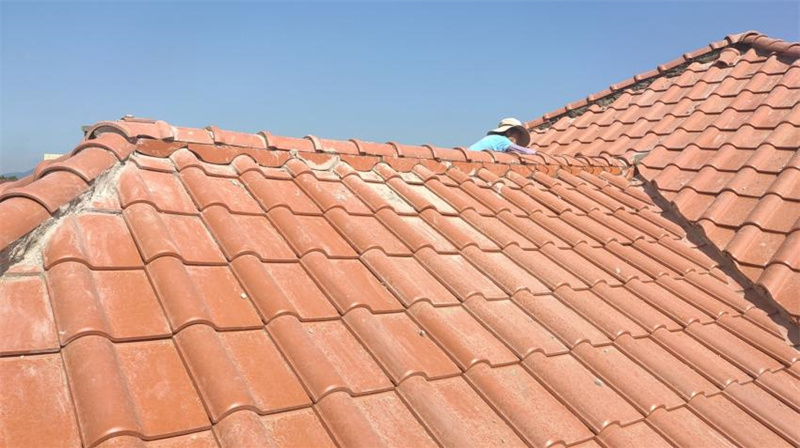
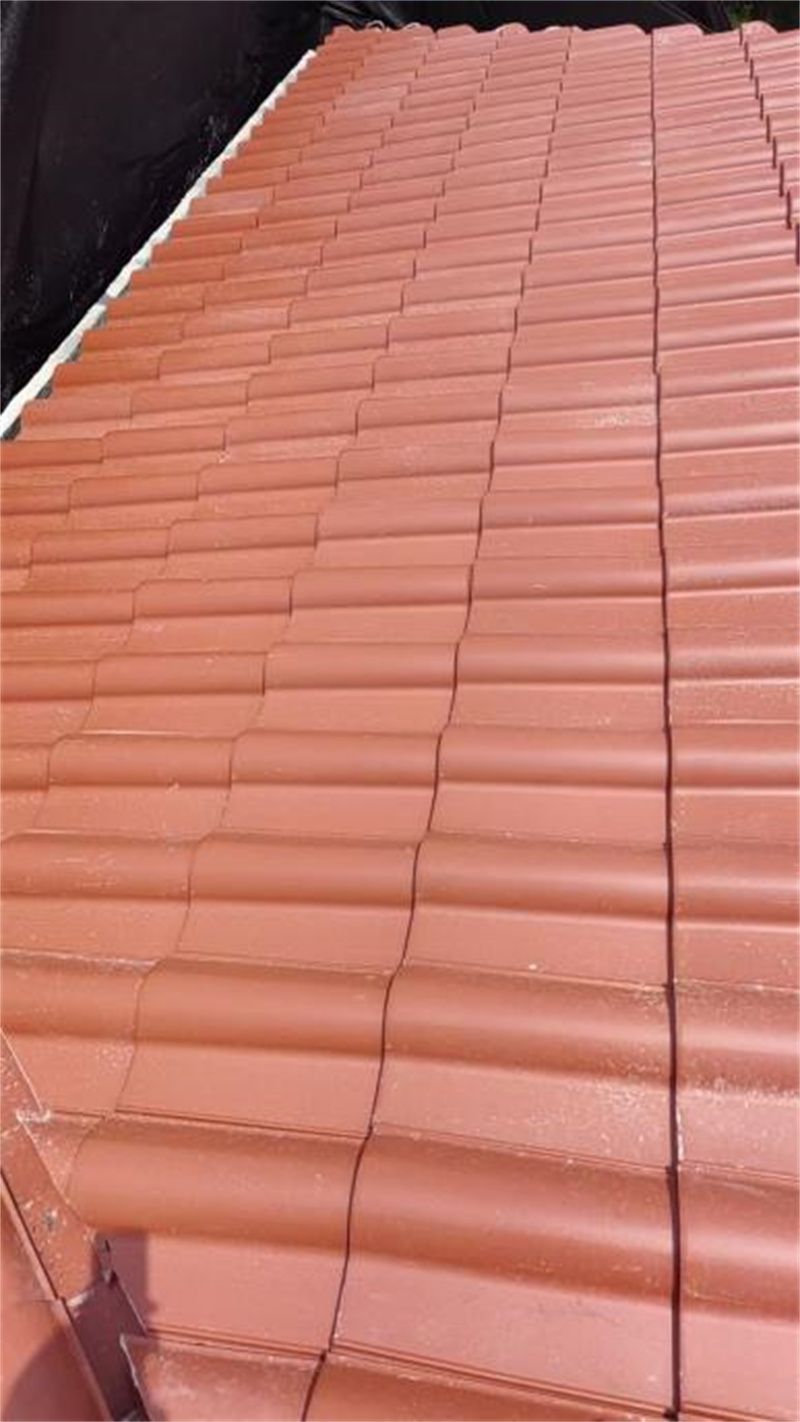
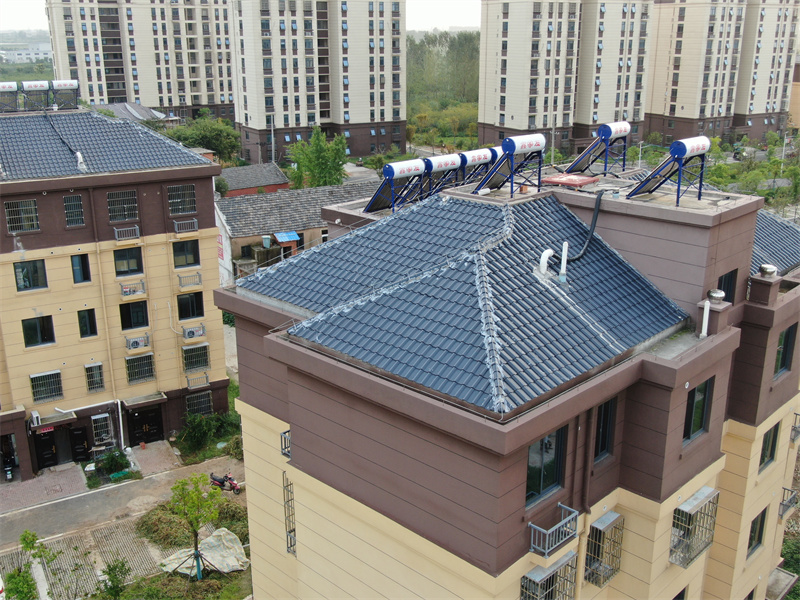
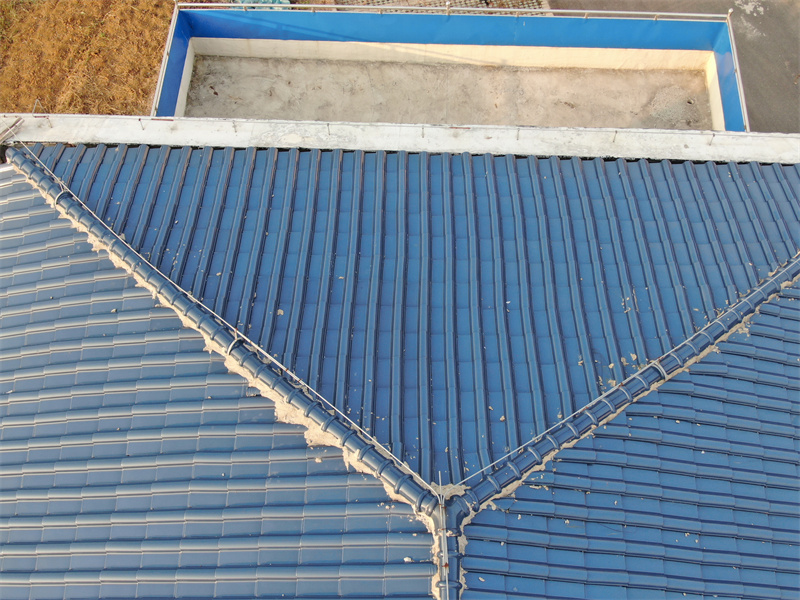
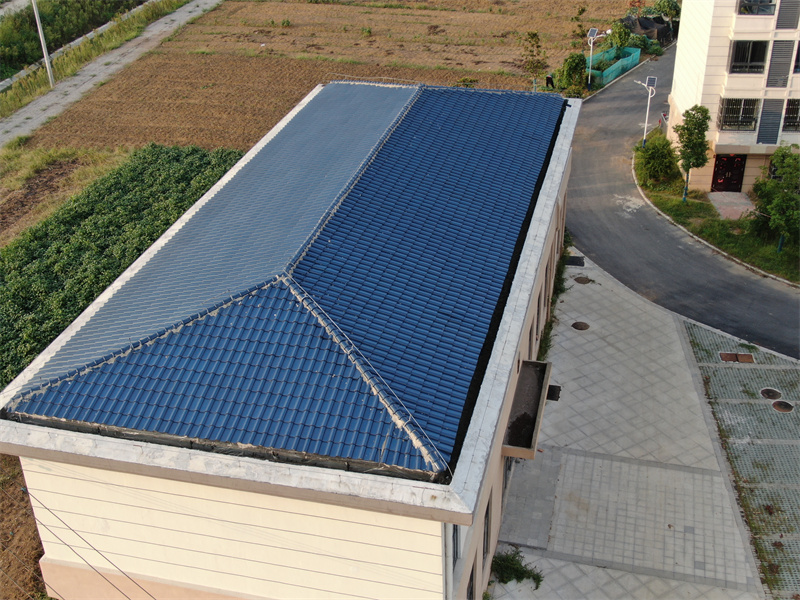
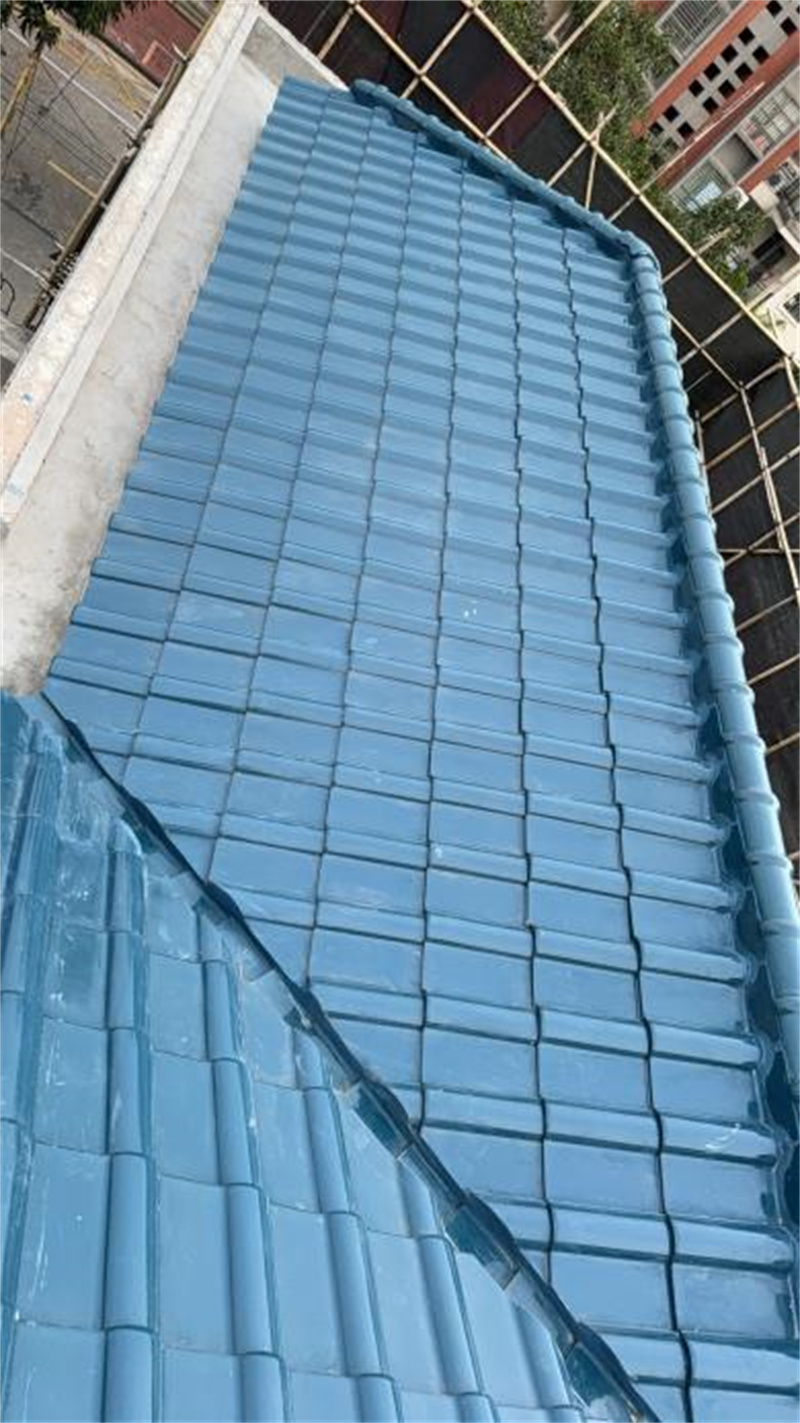
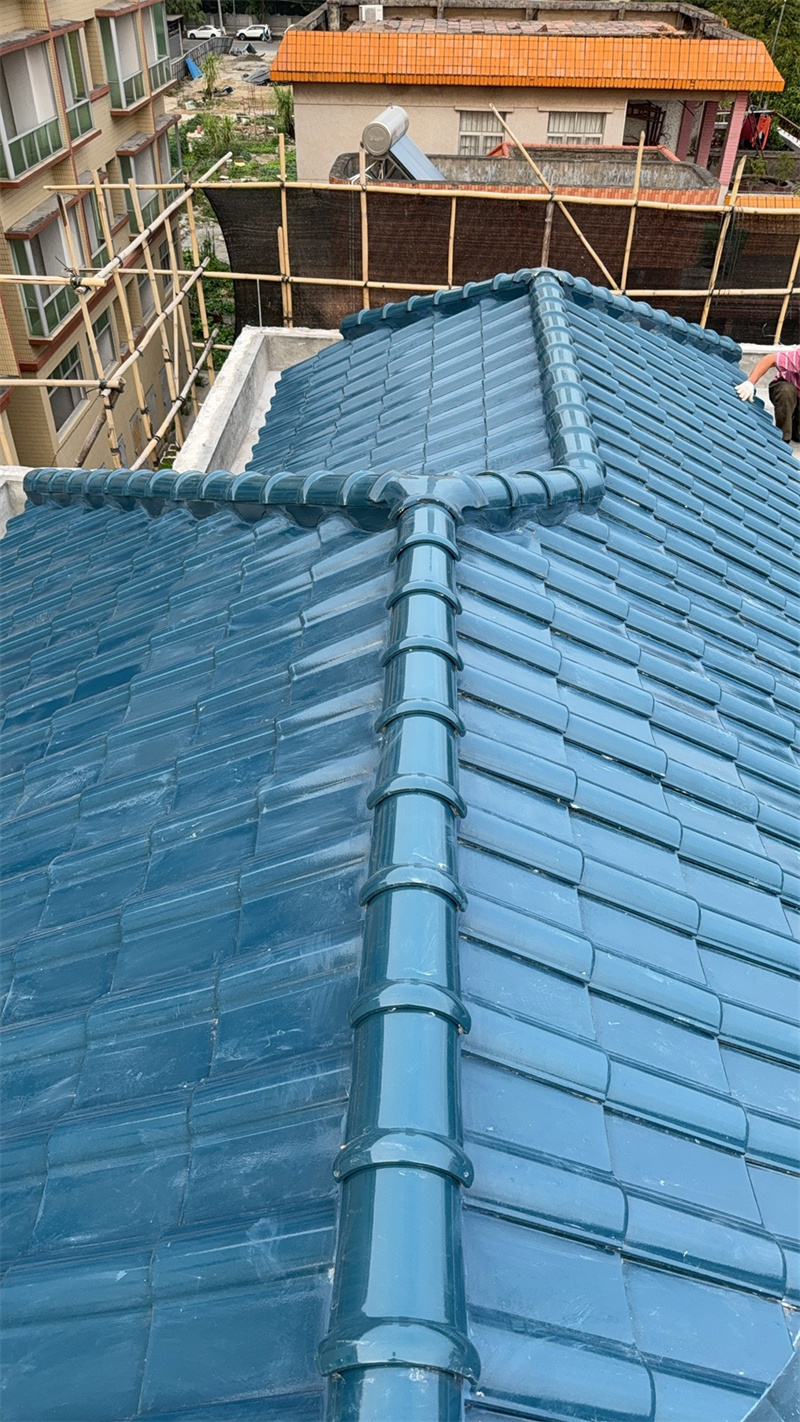
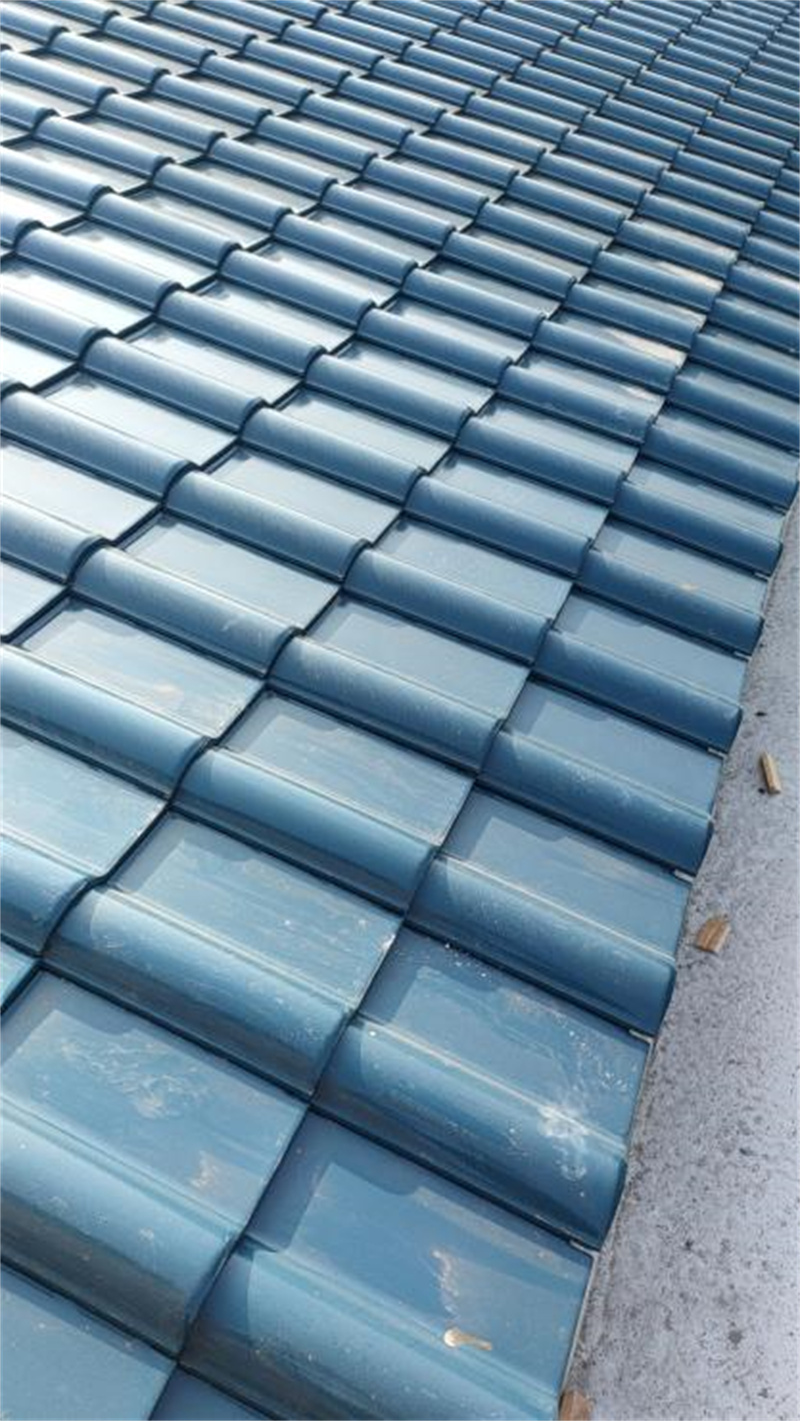
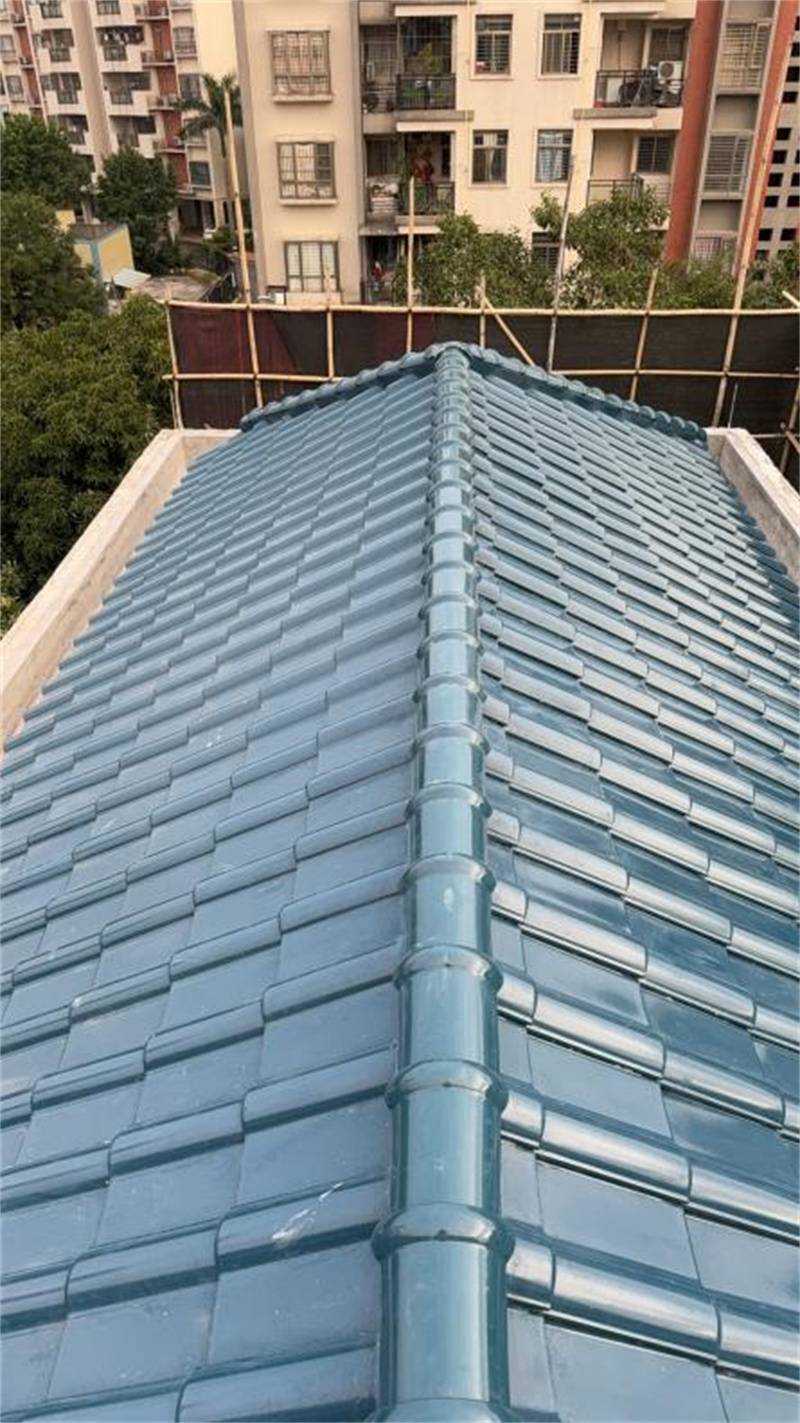
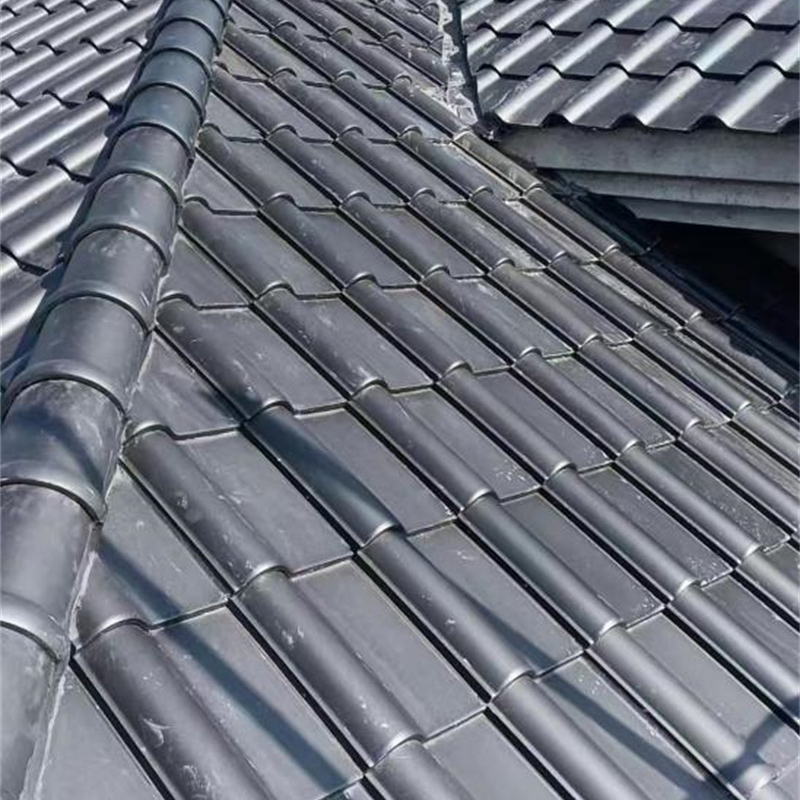
Single-wave tiles are mainly used in rural self-built houses, old house renovations and ancient buildings. Compared with traditional tiles, they are easy to install and have a high cost performance. They are one of the most favored ceramic tiles by people.
| Specification: | 290*390mm |
| Actual tiling area: | 250*320mm |
| Weight: | 2.8kg |
| Usage per square meter: | 12 pieces per square meter |
| Bottom label: | Amazing bottom label |
| Color: | Iron red, cinnabar red, light gray, blue gray, black gray, hole blue |
| Current stock colors: | iron red, blue-gray, black-gray, light gray, peacock blue |
| Origin: | Enping |
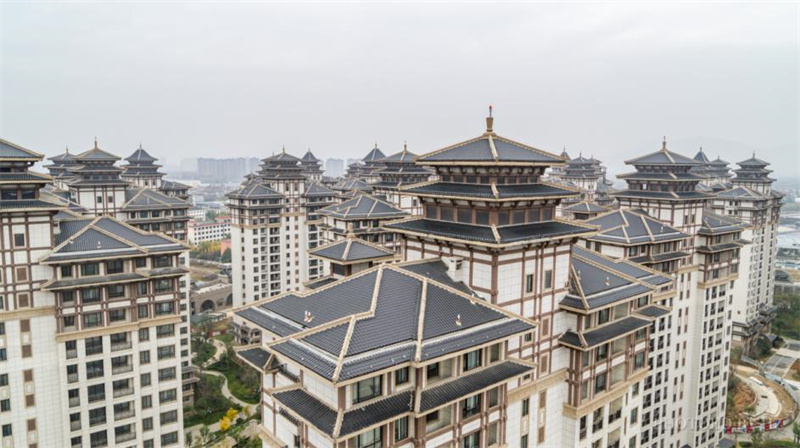
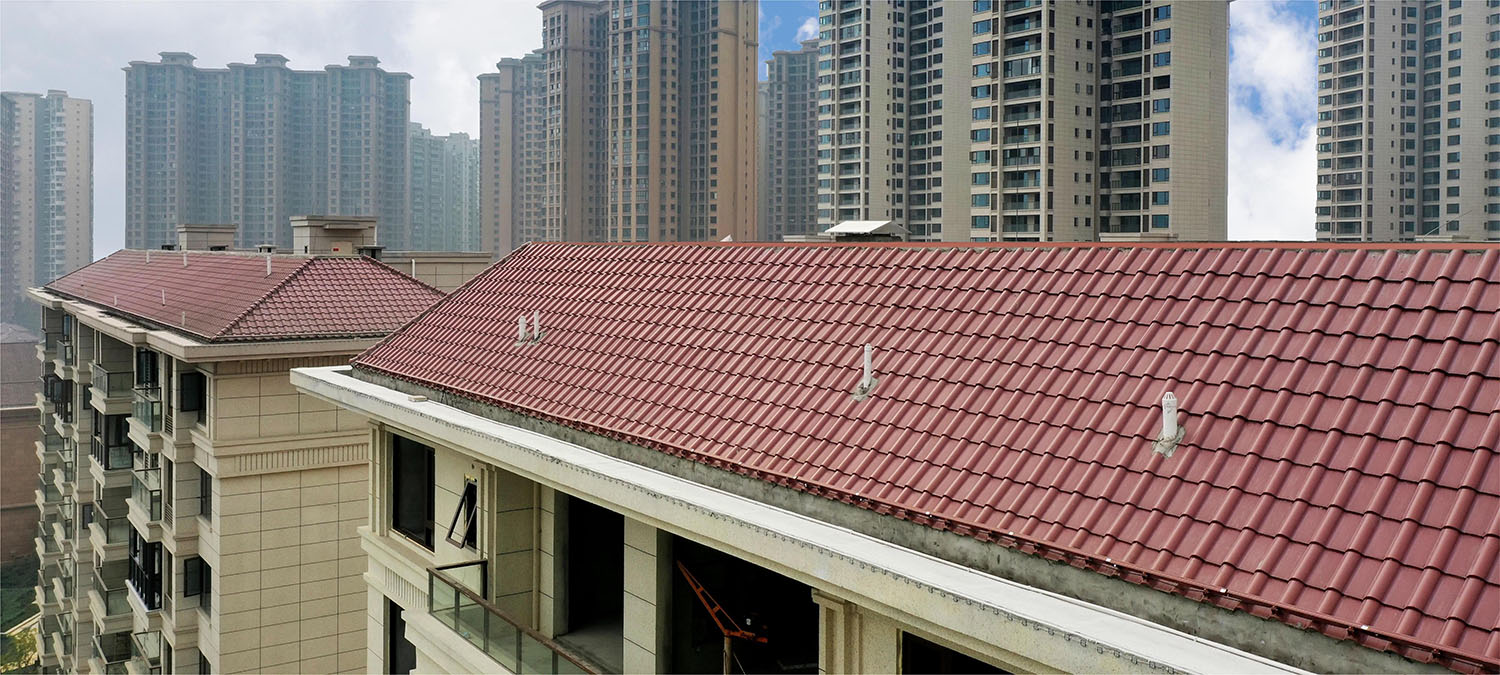
Single-wave tiles (also known as "single-strand tiles", with the core feature of only one continuous curved surface ripple, distinct from double-wave tiles and multi-wave tiles) have become a popular choice for roofing in residential buildings, factories, cultural and tourism projects, etc., thanks to their simple and neat shape and balanced practical performance. Their core advantages focus on three dimensions: "appearance and level compatibility + practicality and durability + construction economy".
1. The design is simple and elegant, with extremely strong adaptability
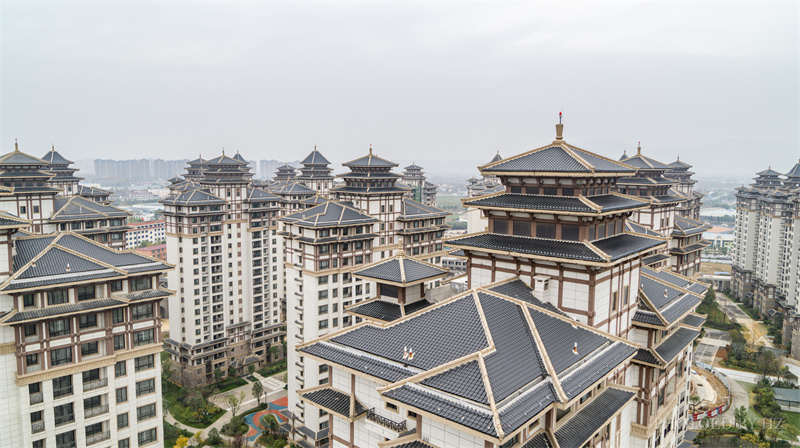
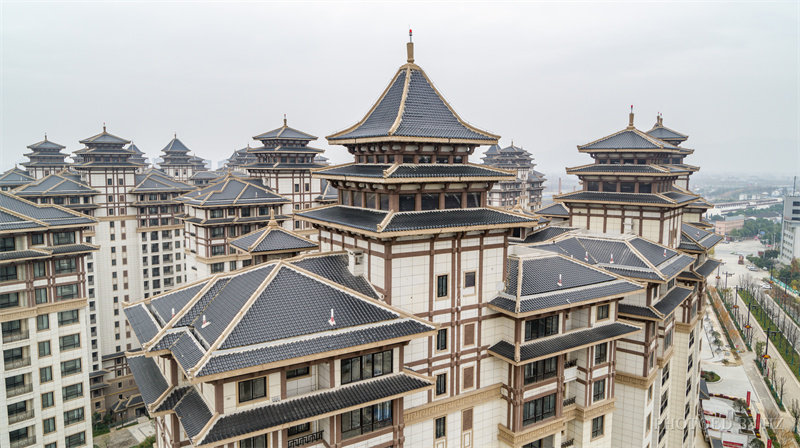
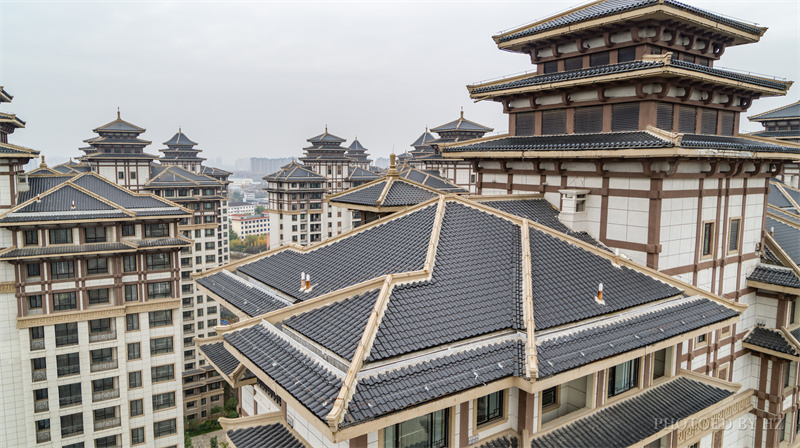
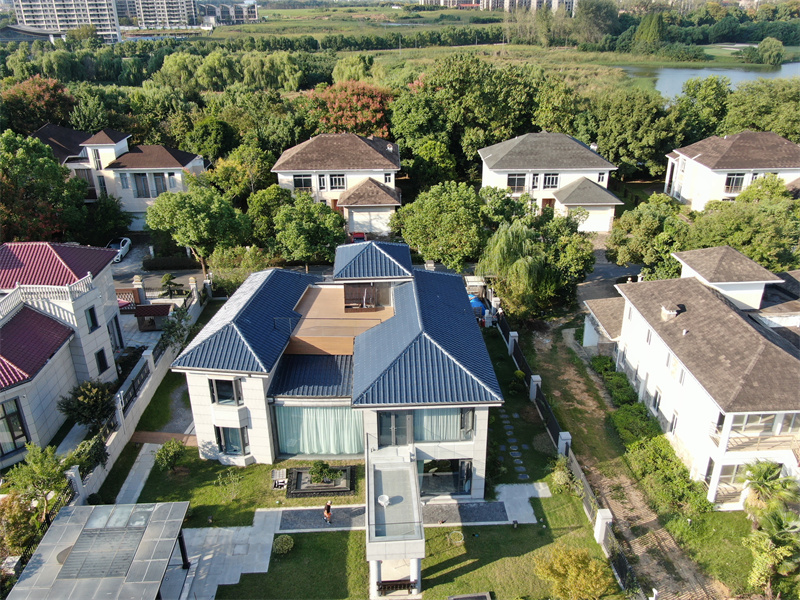
1. Neat lines, versatile architectural style: Single-wave tiles feature only one smooth curved wave without any superfluous or complex shapes. After installation, the roof presents a neat and simple visual effect. They are suitable for modern minimalist, new Chinese, and country-style residences/villas, and can also be integrated into large roof areas such as factories, warehouses, and cultural and tourism towns. They can even be used for the renovation of ancient buildings (paired with traditional glazes like bluish-gray and vermilion). It will not spoil the overall aesthetic appeal of the building due to an abrupt shape. 2. Visual lightness, reducing the sense of architectural oppression: Compared with the heaviness of multi-wave tiles, the single-curved surface design of single-wave tiles is more lightweight, especially suitable for low-rise buildings, small roof areas (such as terraces, pavilions), or compactly-shaped buildings. It can weaken the heaviness of the roof and make the overall building more dynamic.
2. Rich in colors and strong in personalized expression Inheriting the glaze advantages of glazed tiles, single-wave tiles can be customized in various colors such as bluish-gray, dark black, vermilion, and golden yellow. The glaze is bright and uniform, and does not fade easily. It can be flexibly matched according to the wall material (such as blue brick, real stone paint, wood) to create a unique roof appearance level (for example, modern style uses dark gray single-wave tiles + light white walls, new Chinese style uses bluish-gray single-wave tiles + wood grain doors and Windows).
2. It has strong practical performance and takes into account basic needs
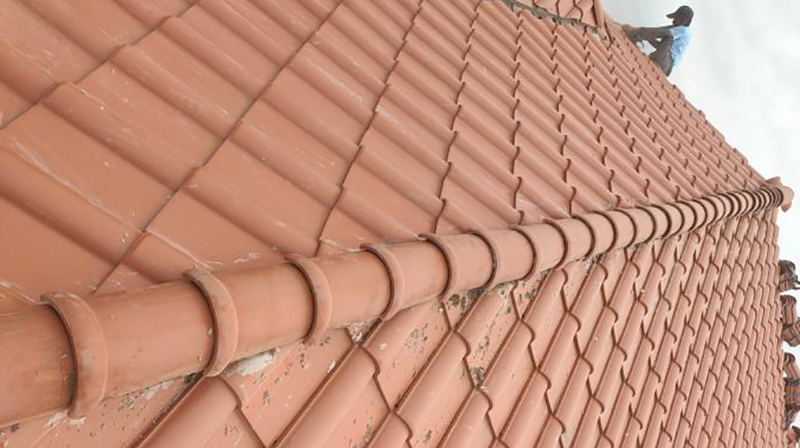
1. Waterproof and wind-resistant, with a scientific structural design: The curved surface of the single-wave tile has been mechanically optimized, and the tiles are designed with a "superimposition and interlocking" mechanism. Rainwater can be quickly guided in a single direction and is less likely to accumulate on the tile area (especially suitable for conventional roof slopes of 15°-45°), and its waterproof effect is superior to that of flat tiles. The single-track corrugated structure can enhance the adhesion between the tiles and the hanging tile strips as well as the base layer. Under wind loads, it is less likely to loosen or fall off. It is particularly suitable for inland and non-coastal areas (with wind resistance levels up to 8-10, and installed in accordance with standards), effectively preventing rainwater from seeping through the gaps.
2. Weather-resistant and durable, with a long service life: The material is made of high-temperature fired (above 1200℃) glazed body + dense glaze surface, which is resistant to high temperatures (not softening above 60℃), severe cold (not cracking below -20℃), and ultraviolet aging. It is not easy to fade, crack or powderize when exposed outdoors for a long time. The glaze surface is smooth and dense, capable of resisting rain erosion, dust accumulation, and mild acid and alkali corrosion (such as in industrial areas and rainy regions). It requires no frequent maintenance on a daily basis. Only regular cleaning of fallen leaves and accumulated dust is needed. Its service life can reach 30 to 50 years.
3. Heat insulation and soundproofing, enhancing living comfort: The thickness of the glazed tiles themselves (8-12mm) + the hollow interlayer formed after the single-wave tiles are laid (between the roof base and the tile surface) can effectively prevent outdoor heat from entering the room (lowering the indoor temperature by 2-4℃ in summer), and also reduce indoor heat loss in winter, providing both insulation and heat preservation effects. The single-curved surface structure can buffer the impact force of raindrops, reduce roof noise (such as during heavy rain), and has a better sound insulation effect than metal tiles and cement tiles, enhancing the comfort of living and use.
4. Fire safety, no worries about meeting standards: The glass material is non-combustible, and the fire resistance rating of single-wave tiles can reach B1 level or above, effectively preventing the spread of sparks (such as fireworks and firecrackers, surrounding fires). It is especially suitable for scenarios with clear fire protection requirements such as residences and factories, enhancing the safety of buildings.
3. It is convenient and economical to construct, with outstanding cost performance
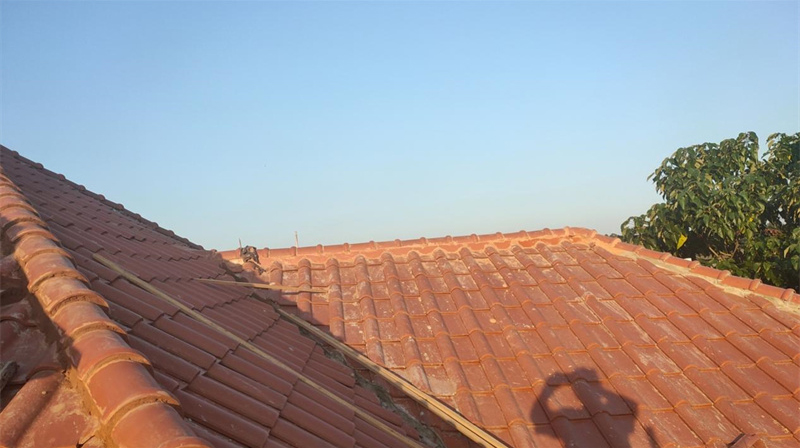
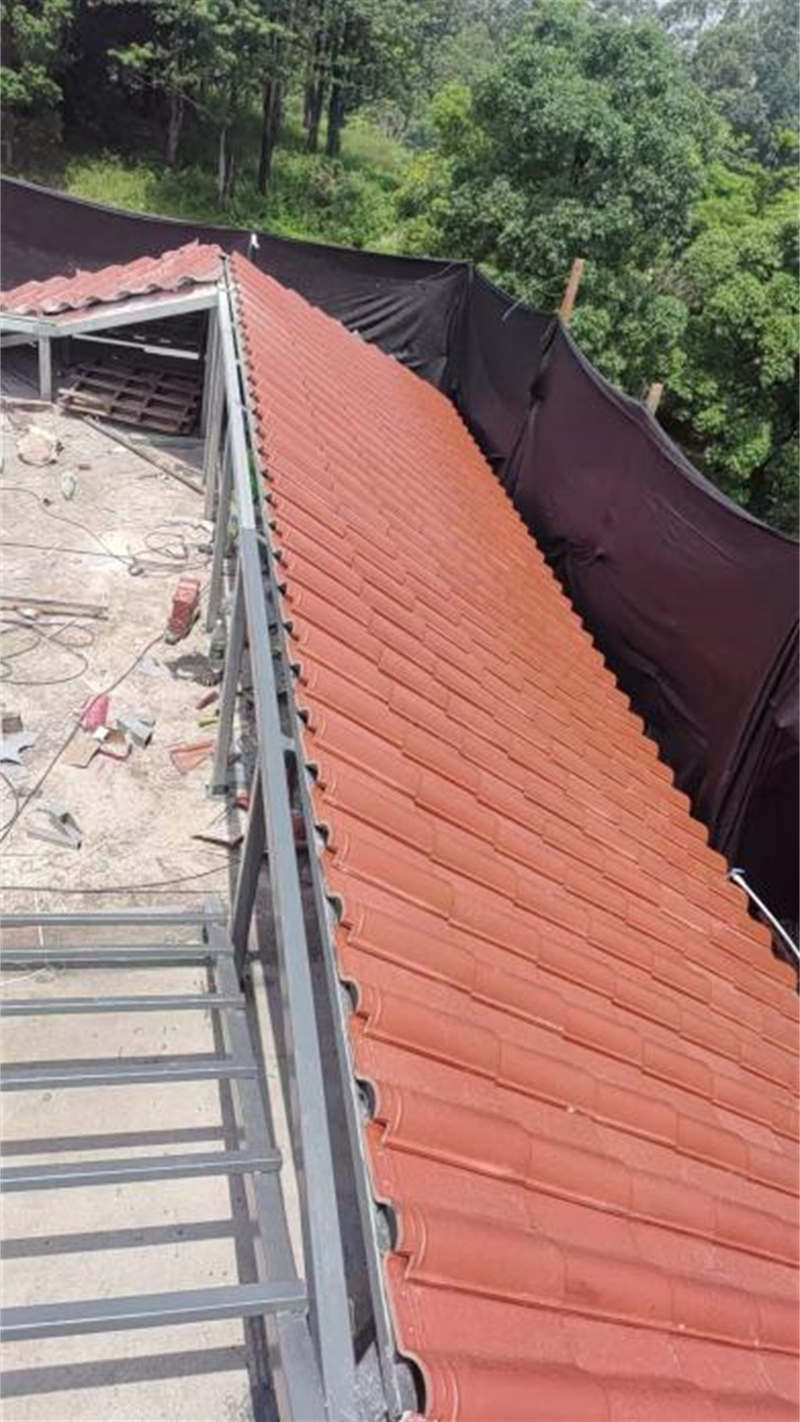
1. Efficient installation and low labor cost: The single-wave tile has a moderate weight per piece, requiring no heavy equipment. Workers can manually carry and lay it. The design is simple and elegant without complex clips. It is equipped with a standardized installation process of hanging tile strips and water flow strips, which makes the construction difficult and the splicing speed fast. It is suitable for rapid construction of large roof areas
2. Low loss rate and strong economy: Single-wave tiles have regular shapes and are not prone to damage during cutting and splicing, with a construction loss rate of only 3% to 5%. The price is at a medium level, and the later maintenance cost is low (no need for frequent replacement or repainting). It has a higher cost performance for long-term use, especially suitable for projects with limited budgets but emphasizing appearance and durability.
The core advantages of single-wave glazed tiles can be summarized as "simple and versatile, not picky about style + waterproof, weather-resistant, practical and durable + economical construction and high cost performance". They not only meet the basic functional requirements of the roof (waterproofing, heat insulation, and fire resistance), but also adapt to various building scenarios. It is especially suitable for residential buildings, villas, factories, cultural and tourism towns and other projects that pursue "a balance between appearance and practicality, and a balance between cost and effect" - it is a roof tile choice that is "error-free, highly adaptable and has the best cost performance".
Our professional sales team are waiting for your consultation.

 EN
EN