Home / Products / Clay Tiles
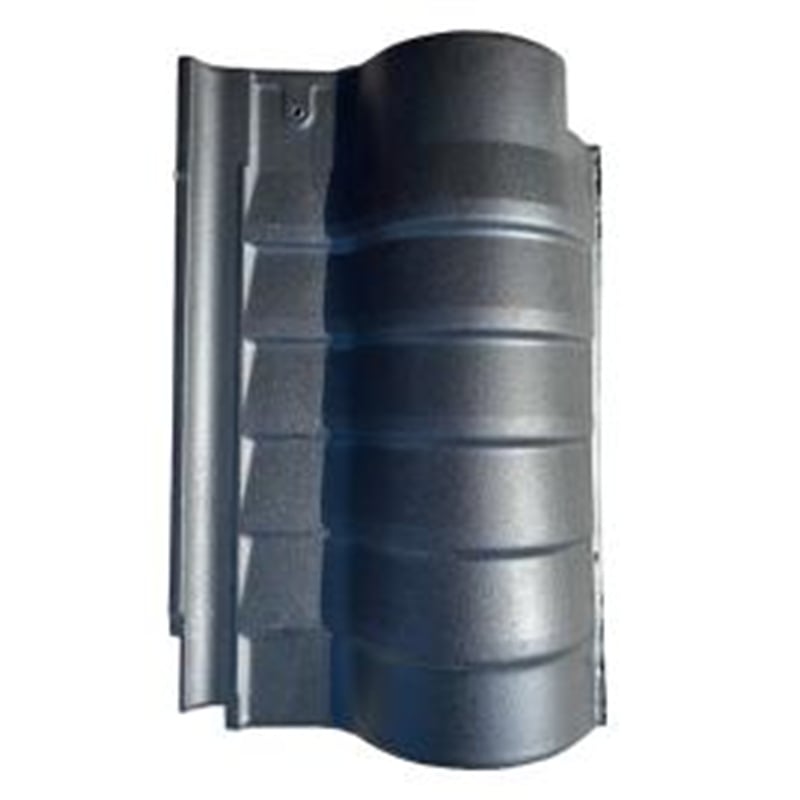
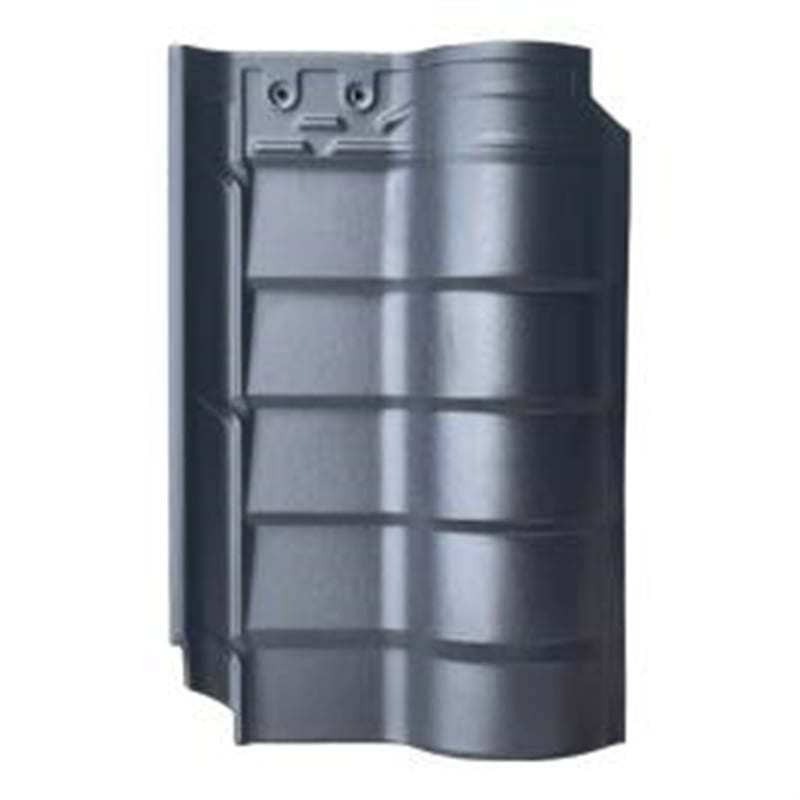
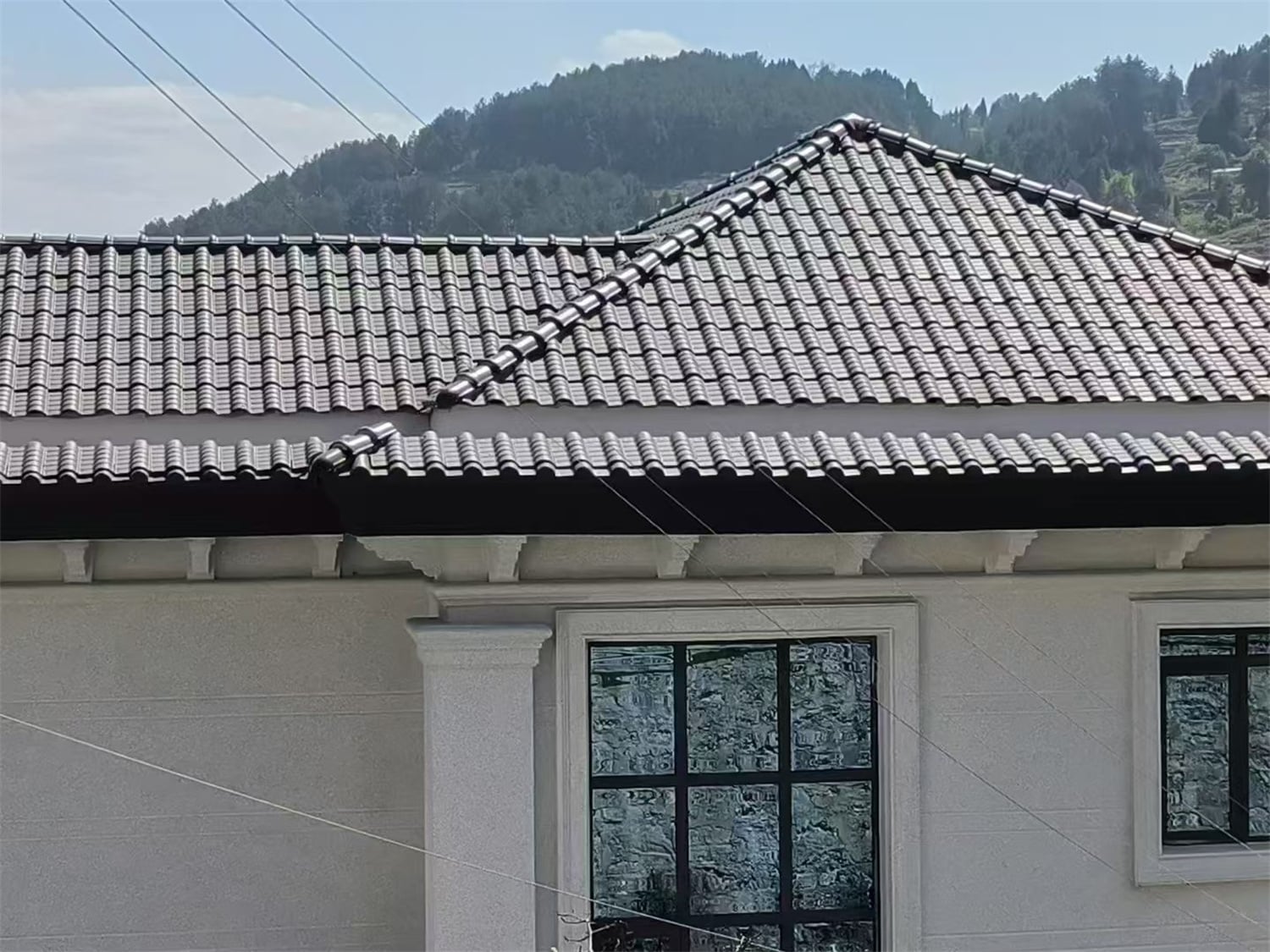
Tang-style tiles are a type of traditional architectural tile with the style of the Tang Dynasty, widely used in ancient Chinese architecture, especially in buildings of the Tang Dynasty and later. Tang-style tiles not only have practical functions but also reflect the architectural art and aesthetic style of the Tang Dynasty.
| Specification: | 280*400mm |
| Actual tiling area: | 230*340mm |
| Weight: | 3kg |
| Square meter usage: | 11 pieces per square meter |
| Color: | Blackish gray |
| Origin: | Xuancheng, Anhui Province |
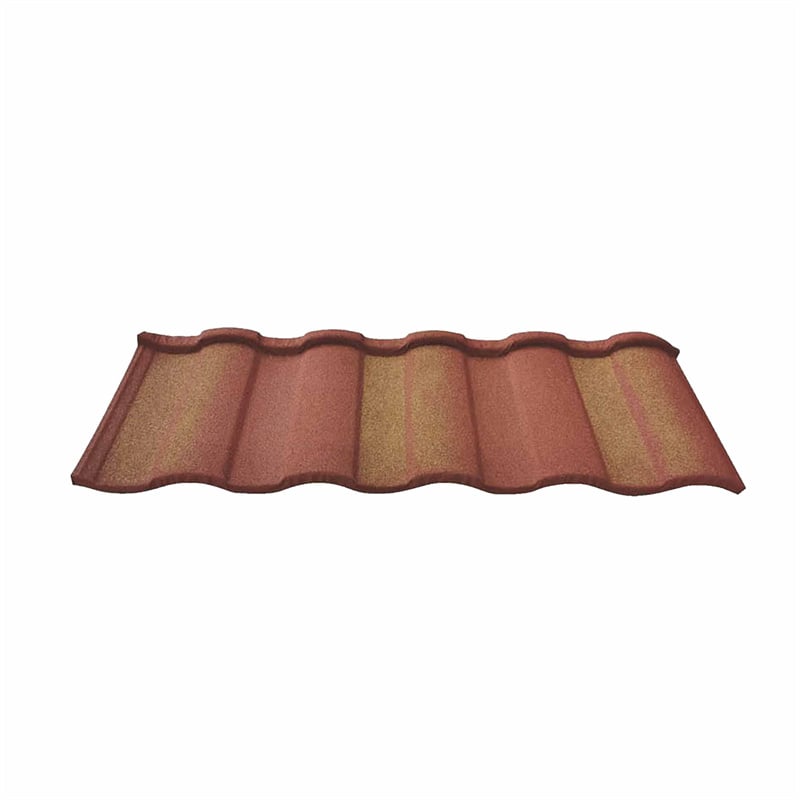
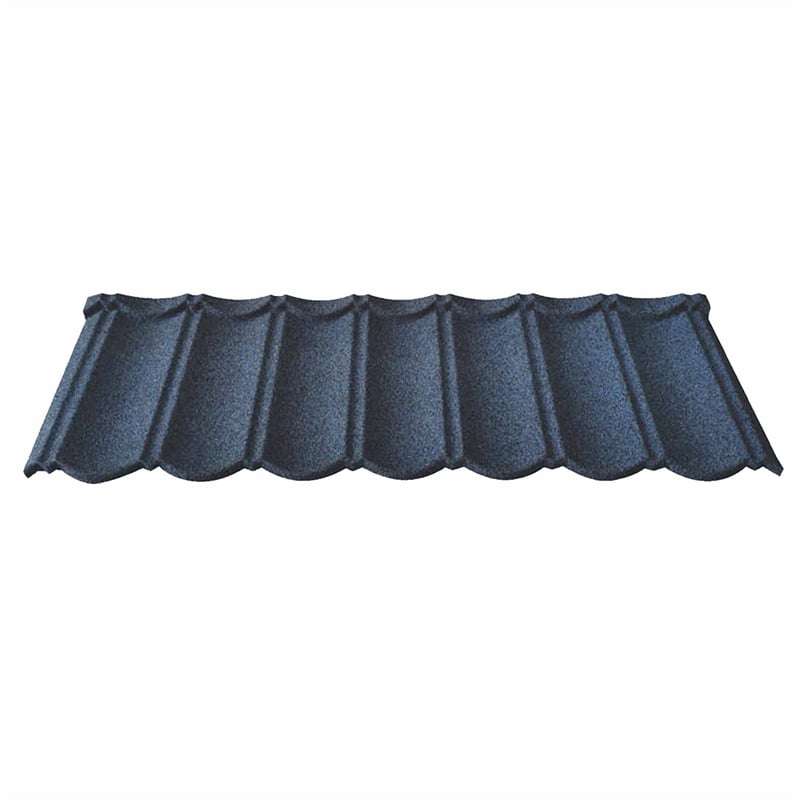
New Chinese-style tiles (including bamboo joint tiles, antique flat tiles, right-angle interlocking tiles, improved glazed tiles, etc.) as the core element of new Chinese-style architecture, not only inherit the Oriental aesthetics of traditional architecture but also integrate the practical performance of modern building materials. The core advantages focus on three dimensions: "aesthetic compatibility + practical durability + flexible scenarios", and are suitable for various scenarios such as villas, homestays, cultural and tourism towns, temples and Taoist abbeys. Specifically as follows:
It is full of aesthetic charm and perfectly matches the new Chinese style
1. Replicating tradition and preserving the Oriental artistic conception: The design inspiration comes from traditional tile shapes such as glazed tiles, tube tiles, and small blue tiles of the Ming and Qing dynasties. By simplifying lines and optimizing proportions, it not only restores the classical texture of "simple and elegant in bluish-gray and grand in vermilion", but also avoids the complexity of traditional tile shapes, aligning with the aesthetic core of "simple yet not simplistic" in the new Chinese style. The tile surface often features bionic textures (such as bamboo joint patterns and wood grains), sharp right-angle shapes or slightly curved surfaces. After installation, the roof presents a neat and orderly visual effect. Combined with new Chinese elements like horse-head walls, upturned eaves and grilles, it can quickly create an Oriental charm that is "serene and far-reaching, ancient and elegant, and reserved".
2. High-end color, suitable for diverse aesthetics: The color is warm, uniform and not easy to fade. It can not only follow the "low-key and elegant" route (bluish-gray tiles + blue brick walls), but also create a visual focus through local bright colors (such as vermilion tiles paired with beige real stone paint). Some products support customized glaze surfaces, which can be flexibly adjusted according to architectural styles, balancing classical texture and modern fashion sense (for example, modern new Chinese style uses dark grey matte tiles to enhance the sense of luxury).
3. Versatile in design and not picky about building scale: Whether it is a small courtyard pavilion, a single-family villa, or a large cultural and tourism town or commercial complex, new Chinese-style tiles can be adjusted and adapted through specifications. After installation, they have strong integrity and will not disrupt the overall tone of the building.
The practical performance is maximized, taking into account the modern living needs
1. Waterproof and wind-resistant, suitable for complex climates The structural design integrates modern engineering logic and often adopts designs such as "interlocking splicing", "staggered joint superimposition", and "water channel". The tiles are closely interlocked, allowing rainwater to be quickly guided and preventing water accumulation and leakage (suitable for roof slopes ranging from 15° to 45°). The wind resistance level can reach 8-10 (under standard installation), making it suitable for complex climates with abundant rainfall in the south and strong winds along the coast. Some products are equipped with auxiliary waterproof structures such as water eaves and sealing strips, providing dual protection for roof waterproofing and reducing the trouble of leakage repair in the later stage.
2. Weather-resistant and durable, with a long service life: Made of high-temperature fired ceramic, it can withstand high and low temperatures (stable operation from -20℃ to 60℃) and resist ultraviolet aging. Corrosion-resistant and not prone to rust; The resin material is lightweight and tough, capable of withstanding wind, sun, rain and snow erosion, and has a service life of 30 to 50 years. The tile surface is smooth and dense, not prone to dust or moss accumulation, and has self-cleaning properties. It requires no frequent maintenance on a daily basis; only regular removal of fallen leaves is needed.
3. Heat insulation and soundproofing, enhancing living comfort: The tile body has a moderate thickness. After laying, the hollow interlayer formed can effectively prevent outdoor heat from entering (lowering the indoor temperature by 3-5℃ in summer), reduce indoor heat loss in winter, and also has an insulating effect, reducing the energy consumption of air conditioners and heaters. The material is highly dense, capable of cushioning the impact force of raindrops. Its sound insulation effect is superior to that of metal tiles and cement tiles. During heavy rain, the indoor noise is lower, enhancing the sense of tranquility in living.
It is convenient and economical to construct and can meet the needs of various projects
1. Efficient installation and reduced construction costs: The weight of each piece is moderate, no heavy equipment is required, and it can be moved and laid by hand. Some products support "direct covering of old tiles for construction", eliminating the need to remove the old roof and saving on removal costs and construction time. The design is regular and the splicing logic is simple. Combined with the standardized installation process of hanging tile strips and water-running strips, the construction difficulty is low and the speed is fast. The construction period of large-area roofs is shortened by 20% to 30% compared with traditional tile types.
2. Low loss rate and high long-term cost performance: The tile shape is regular, and it is not easy to be damaged during cutting and splicing. The construction loss rate is only 3%-5% (lower than that of special-shaped tiles and traditional tube tiles). The price range covers the mid-to-high-end segment (resin tiles < glazed tiles < aluminum-magnesium-manganese tiles), allowing for flexible selection based on project budget. Moreover, the later maintenance cost is low (no need for repainting and low replacement frequency), and the long-term cost performance is outstanding.
3. Compatible with complex roofs and highly flexible: Easy to cut, it can adapt to irregular parts such as roof corners, arcs, and upturned eaves. After splicing, it has strong integrity and is less likely to have gaps. Some products support facade decoration (such as walls and the top of fences), achieving an integrated decoration of "roof + wall" and enhancing the overall texture of the building.
The core advantages of the new Chinese-style tiles can be summarized as "Oriental aesthetics + modern practicality + high adaptability" - they not only solve the pain points of traditional tile shapes such as "insufficient practicality and complex construction", but also make up for the shortcoming of modern tile shapes such as "lack of cultural charm", perfectly aligning with the core logic of "inheritance and innovation" in new Chinese-style architecture. Whether it's self-built villas, homestay renovations, cultural tourism projects, or ancient-style engineering, new Chinese-style tiles can balance "appearance, level and style, practical performance, and economic cost", making them the "golden partner" for new Chinese-style building roofs.
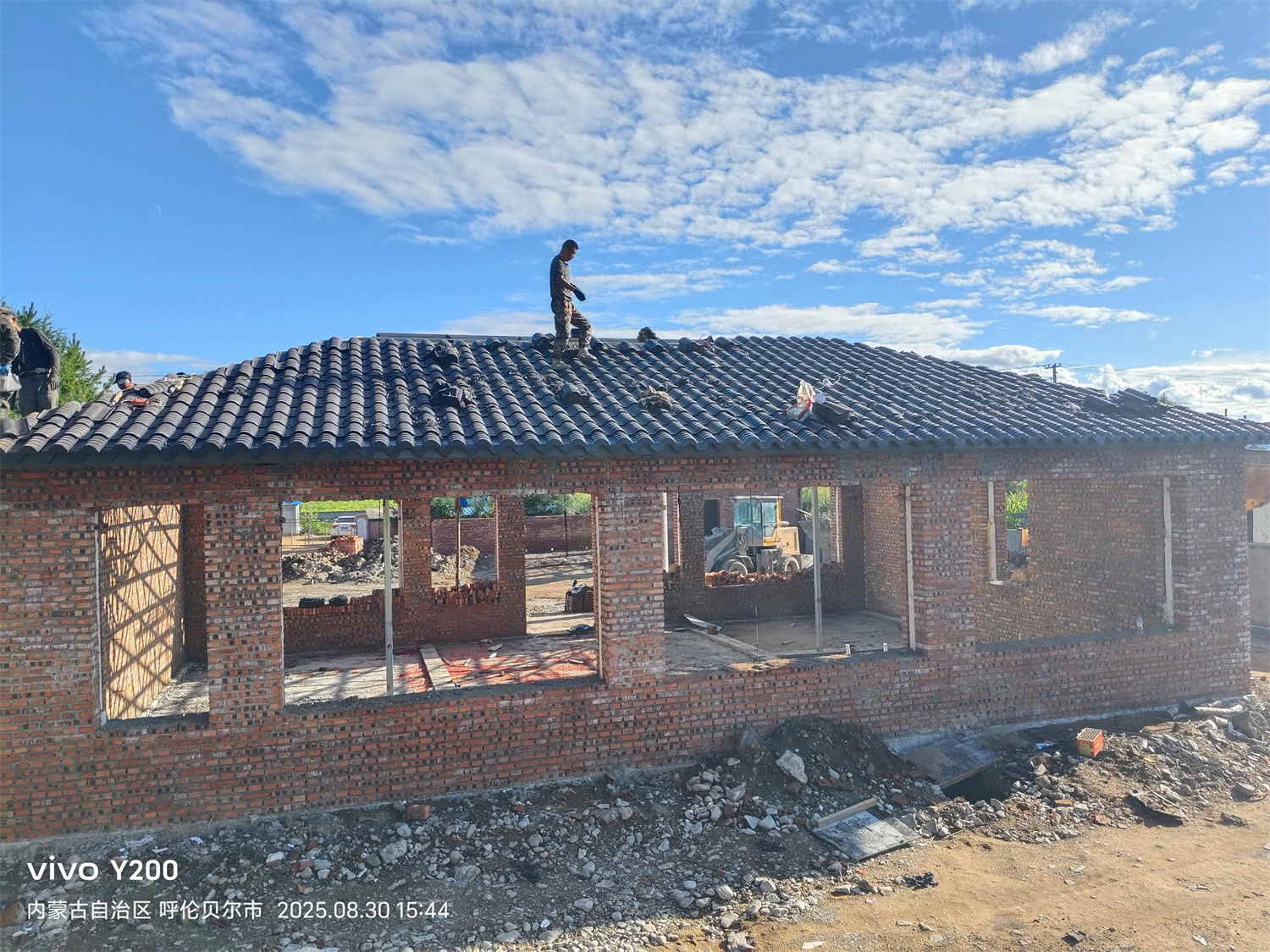
Our professional sales team are waiting for your consultation.

 EN
EN