Choosing Indoor Roof Tiles: A Comprehensive Guide

All Categories

Indoor roof tiles

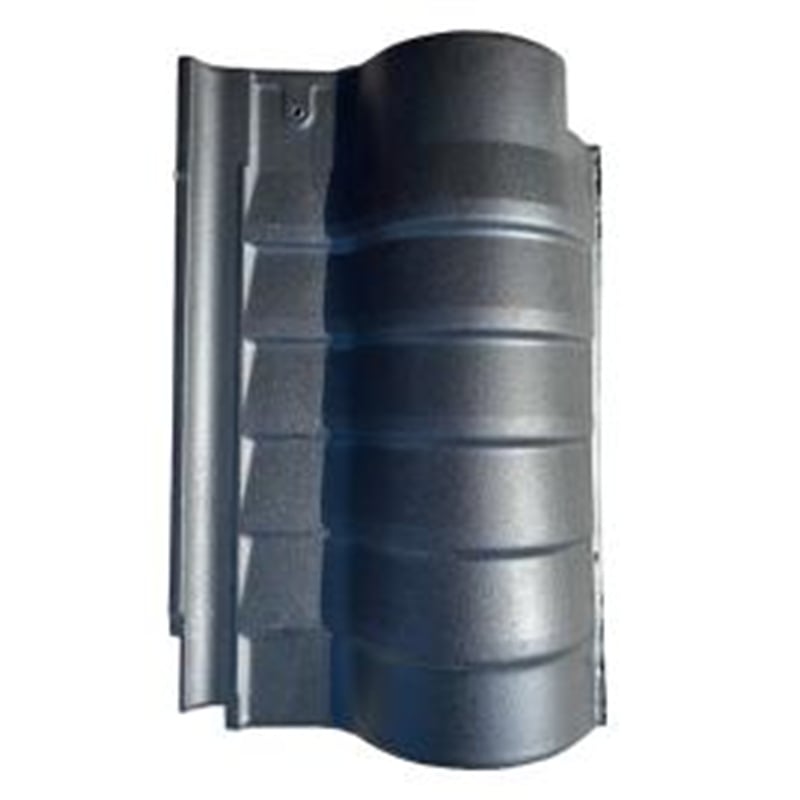
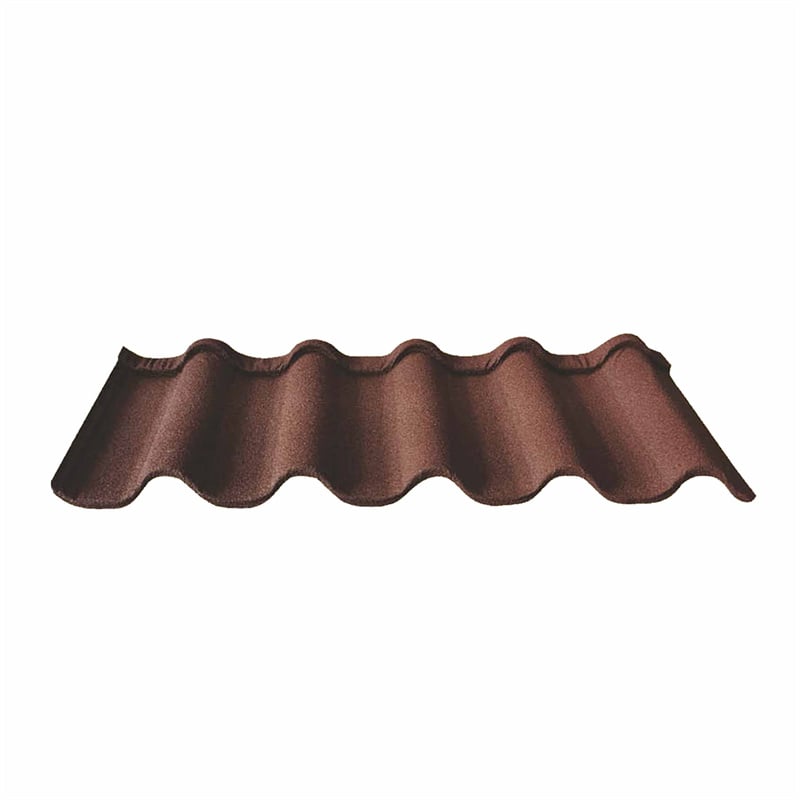
Indoor roof tiles are an essential component in both residential and commercial building designs, offering aesthetic appeal and practical benefits. When selecting indoor roof tiles, B2B buyers—such as purchasing managers, contractors, and architects—need to consider factors like material strength, durability, and design compatibility with various projects. This article will guide you through the critical aspects of choosing roof tiles, including buyer considerations, supplier sourcing, best practices for contractors, and common issues with solutions.
Our Products

What Buyers Need to Know

When purchasing indoor roof tiles, buyers should focus on several key considerations: 

Minimum Order Quantity (MOQ): Understand the manufacturer's MOQ, which can affect your budget and project timeline.  Manufacturers like TRUE LIKE can provide flexible OEM/ODM production to accommodate various project sizes. 

Lead Times: Check the expected lead times for production and delivery. Custom orders may take longer, so it’s essential to factor this into your project schedule. 

Quality Control: Inquire about the manufacturer’s quality assurance processes. Regular inspections during production can prevent defects and ensure that the final products meet specified standards. 

Customization Options: Many manufacturers offer customization in terms of size, shape, and color. Clearly communicate your requirements to ensure the final product aligns with your project needs. 

Sample Approval: Before proceeding with mass production, request samples to verify dimensions, appearance, and performance under relevant conditions. This step is critical to avoid discrepancies later in the project.

Where to Find Reliable Suppliers for Indoor Roof Tiles in Bulk

Finding trustworthy suppliers for indoor roof tiles requires diligent research. Here are some strategies to identify reliable manufacturers: 

Industry Networks: Use professional networks and industry associations to gather recommendations. Engaging with peers can provide insights into reputable suppliers. 

Trade Shows: Attend industry trade shows and exhibitions where manufacturers showcase their products. This allows you to assess quality firsthand and establish direct communication with suppliers. 

Online Marketplaces: Explore online B2B marketplaces that feature verified suppliers. Look for manufacturers with positive reviews and established histories in the roofing industry. 

Certifications and Standards: Verify that potential suppliers meet relevant industry certifications and standards, ensuring compliance with quality and safety regulations. 

References: Request references from previous clients to gauge the supplier's reliability, customer service, and product quality.

Best Practices for Contractors

For contractors working with indoor roof tiles, implementing best practices can enhance project efficiency and quality: 

Preparation: Ensure the installation area is clean and prepared before laying the Clay Tiles. This includes checking for moisture levels and structural integrity. 

Follow Manufacturer Guidelines: Adhere to the manufacturer's installation instructions closely to avoid warranty issues and ensure optimal performance. 

Use Quality Tools: Invest in high-quality tools designed for tile installation. Proper tools can lead to cleaner cuts and more precise placements, enhancing the overall aesthetic. 

Regular Inspections: Conduct periodic inspections during installation to catch any issues early. Addressing problems promptly can prevent costly rework. 

Training and Development: Ensure that your team is well-trained in the latest installation techniques and safety protocols related to indoor roof tiles.

Common Problems with Indoor Roof Tiles and Their Solutions

Despite their benefits, TRUE LIKE indoor roof tiles can present several challenges. Here are common problems and their solutions: 

Cracking and Chipping: This can occur due to improper installation or impact damage. To mitigate this, ensure proper handling during installation and select tiles with higher durability ratings. 

Moisture Issues: In humid environments, improper sealing can lead to moisture penetration. Always use moisture-resistant materials and ensure proper sealing during installation. 

Color Fading: Over time, exposure to sunlight can cause color fading. Opt for tiles with UV-resistant coatings to maintain their aesthetic appeal. 

Uneven Surfaces: If the underlying structure is not level, it can lead to an uneven tile installation. Conduct a thorough assessment of the substrate before installation and make necessary adjustments. 

Poor Adhesion: Using the wrong adhesive can lead to tiles detaching over time. Ensure the adhesive is suitable for the tile material and the specific environmental conditions. 

By being aware of these common issues, buyers and contractors can take proactive measures to ensure successful installation and longevity of indoor roof tiles. Implementing these strategies will not only optimize project outcomes but also enhance overall satisfaction for all stakeholders involved.

How to Choose the Right Indoor Roof Tiles for Your Project

Selecting the right indoor roof tiles begins with understanding the project requirements. Consider the following factors: 

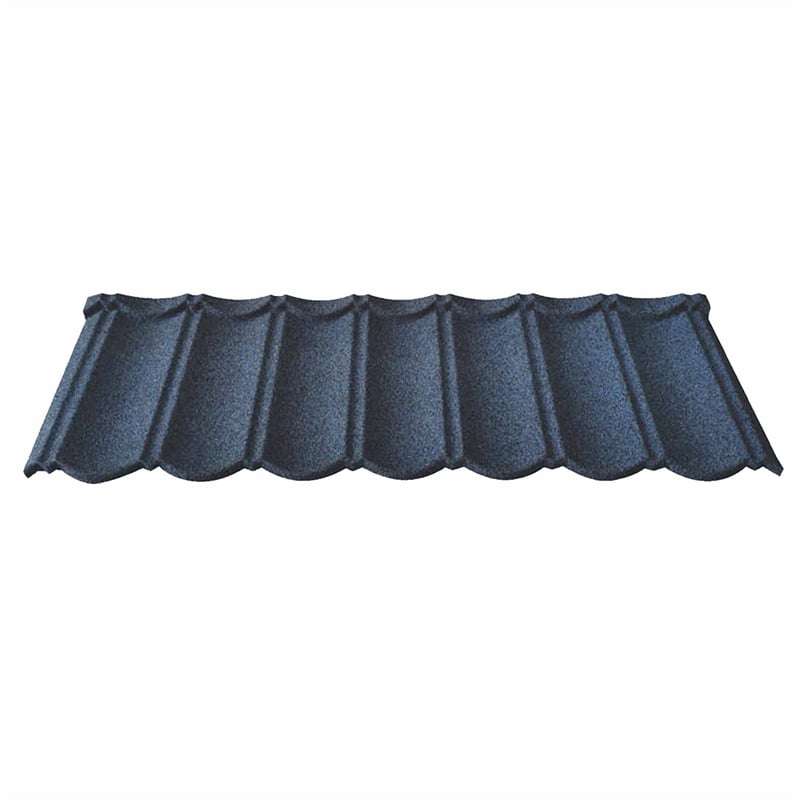
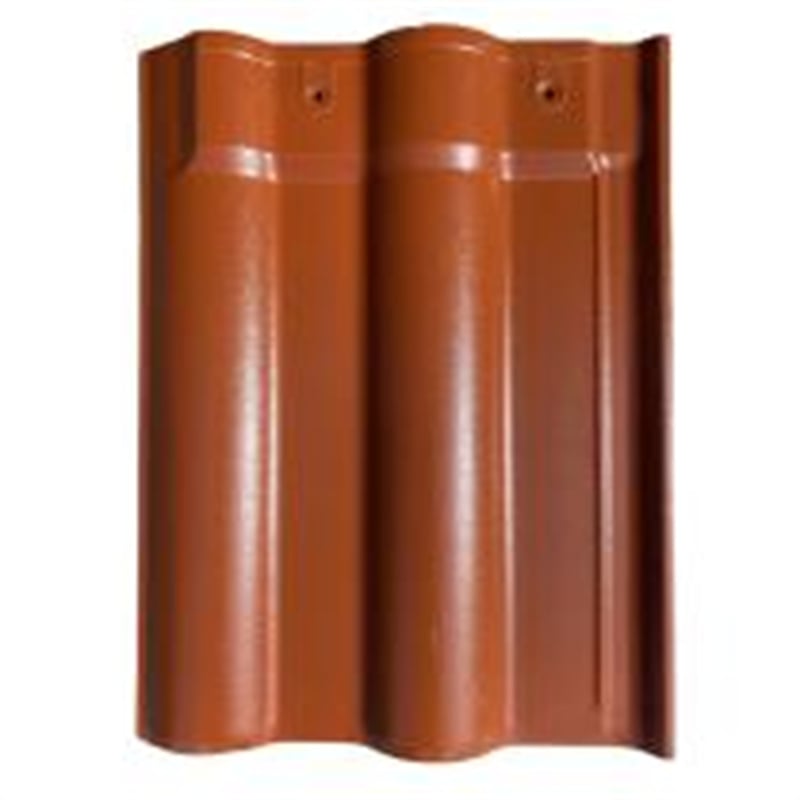
Material Composition: Indoor roof tiles are available in various materials, including ceramic, metal, and synthetic options.  Each material has its own characteristics, such as weight, thermal insulation, and moisture resistance. For instance, ceramic tiles provide excellent durability and aesthetic variety but can be heavier than their synthetic counterparts. 

Strength and Durability: Given that indoor roof tiles must withstand various stresses, assessing their strength is crucial. Look for products that offer high-impact resistance and corrosion protection, especially in environments with high humidity or temperature fluctuations. 

Aesthetic Compatibility: The design and color of indoor roof tiles should align with your project’s overall aesthetic. Many manufacturers, such as TRUE LIKE, can provide custom color options to suit specific design requirements. 

Installation Requirements: Different tiles require different installation methods. Ensure your selected tiles are compatible with the existing structure and can be installed efficiently without extensive modifications. 

Performance Specifications: Evaluate the performance specifications that matter to your application, such as fire resistance, sound insulation, and thermal performance. This will ensure the roofing tiles meet building codes and client expectations.

Get a Free Quote

Our representative will contact you soon.
Email
Name
Company Name
Message
0/1000

Related product categories

Choosing Indoor Roof Tiles: A Comprehensive Guide

Get a Free Quote

Our representative will contact you soon.
Email
Name
Company Name
Message
0/1000
Have Questions about True Like?

Our professional sales team are waiting for your consultation.

Get a Quote

Get a Free Quote

Our representative will contact you soon.
Email
Name
Company Name
Message
0/1000